
“You took our child.”
Evelyn slid between us, smooth and glacial. “He rescued her from hardship,” she said. Catherine’s eyes burned. “You locked me up and called it love,” she shot back.
Frank tried to sound composed. “You were safe,” he told Catherine. “You had everything.” Catherine let out a sharp, broken laugh. “Except my mother,” she said. Then, softer, “Why did you leave me with her?” Frank opened his mouth, then shut it.
Evelyn’s composure fractured. “You said this would stay clean,” she hissed at him. Frank snapped back, “You said no one would find her.” Evelyn lunged for Catherine’s bag, and Catherine stumbled.
I caught Evelyn’s wrist before she could grab the folder. Her nails dug into my skin, her eyes feral. “Let go,” she spat. I leaned closer. “Not this time,” I said.
A security guard appeared, frozen in place. Catherine stood trembling but lifted her chin. “You don’t get to be my dad,” she told Frank, her voice steady. He recoiled as if struck.
The front door opened wider, and the detective stepped inside with another officer. His gaze fixed on Frank. “Sir, according to official records, you are deceased,” he said. Frank’s face drained of color, and Evelyn’s smile finally collapsed.
Catherine’s hand found mine and gripped tightly. She looked up at me, tears spilling. “Can we go?” she whispered. I squeezed back. “Yes,” I said. “Right now.”
After that, everything unfolded in slow, painful increments—charges filed, statements taken, reporters circling for spectacle. Frank’s second life unraveled beneath documents and handcuffs. I stopped reading headlines once I saw Catherine’s name reduced to bait.
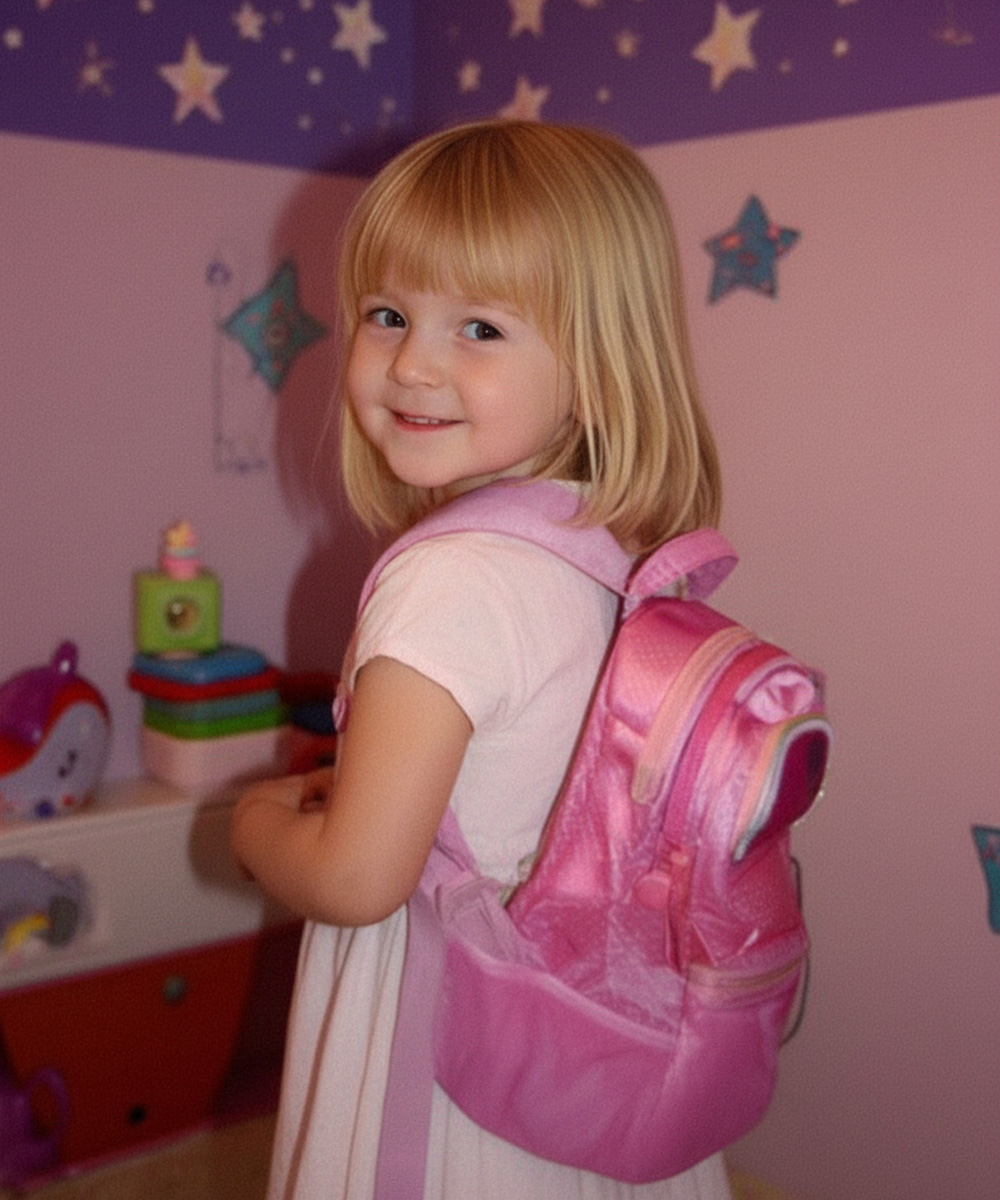
En casa, Catherine estaba en el umbral de su antiguo dormitorio, mirando las paredes lavanda. “Lo guardaste tú”, dijo suavemente. “No sabía cómo dejarlo ir”, admití. Pasó la yema del dedo por una pequeña zapatilla. “Nadie guardó nunca nada para mí”, susurró.
Las primeras semanas fueron irregulares. Revisó dos veces las cerraduras y durmió con una lámpara encendida. A veces soltaba con un “No te quedes encima”, y yo me apartaba, luego lloraba en silencio en la lavandería donde no podía oír.
Reconstruimos a través de pequeños rituales: té en el porche, paseos tranquilos, álbumes de fotos solo cuando ella lo pedía. Una noche estudió una foto suya a los tres años y dijo: “No recuerdo tu voz como yo quería.” Tragué saliva y dije: “Entonces crearemos nuevos recuerdos. Todos los que quieras.”
En su siguiente cumpleaños, compramos dos magdalenas. Encendió dos velas y dijo: “Una por quien era, otra por quien soy.” Nos sentamos uno al lado del otro en la mecedora, con las rodillas tocándose, y por primera vez, la habitación volvió a sentirse como una habitación.


